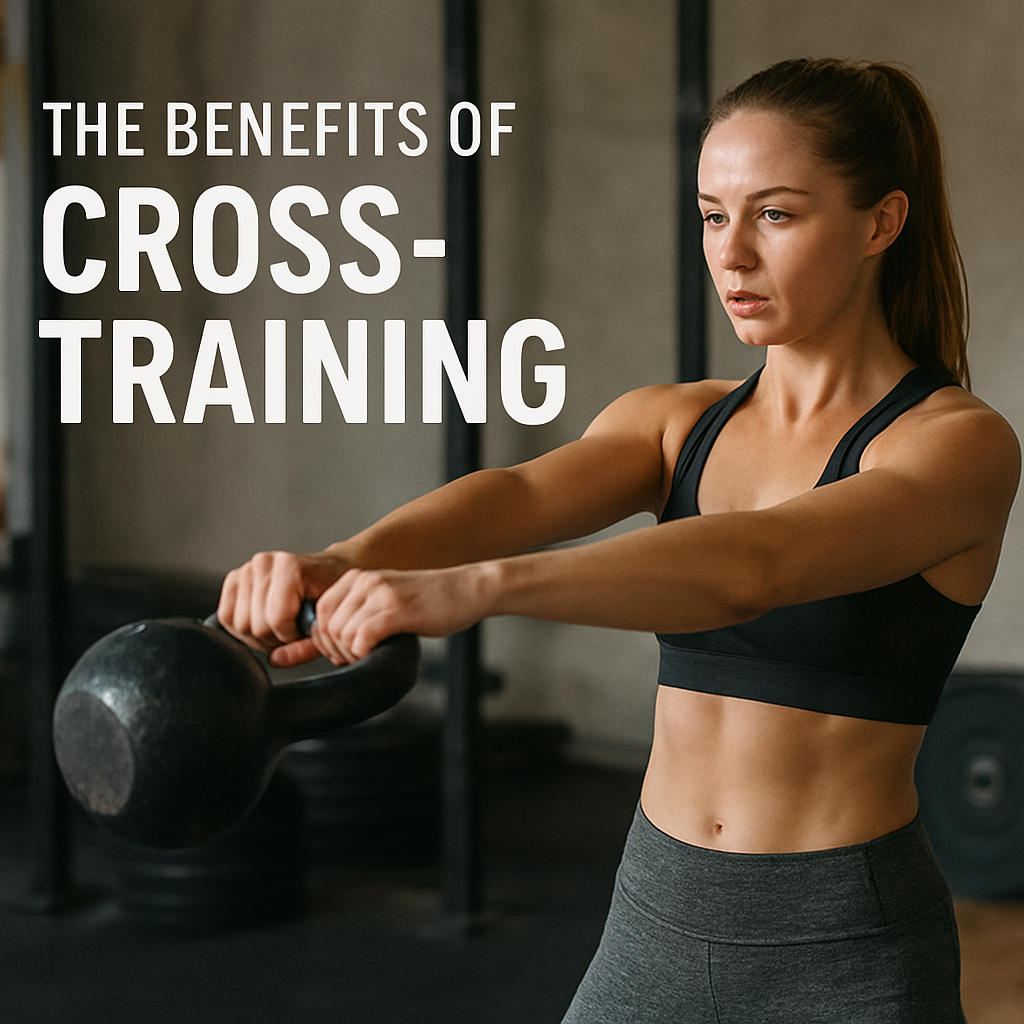
The Benefits of Cross-Training
Cross-training is a versatile training method that incorporates various types of workouts to improve overall fitness and performance. While it is commonly associated with athletes, cross-training offers numerous benefits for individuals at any fitness level. In this article, we will explore the key advantages of incorporating cross-training into your fitness routine.
1. Reduces the Risk of Injury
One of the primary benefits of cross-training is the reduced risk of injury. By varying your workouts, you avoid overuse injuries that often result from repetitive motions associated with a single sport or exercise. Cross-training allows different muscle groups to be engaged, providing a balance that helps to strengthen and stabilize the body.
2. Enhances Overall Fitness
Cross-training helps develop a well-rounded fitness level by improving strength, endurance, flexibility, and balance. Engaging in different forms of exercise—such as running, cycling, swimming, and weightlifting—ensures that all aspects of fitness are addressed, leading to better performance in your primary sport or activity.
3. Prevents Workout Boredom
Doing the same workout repeatedly can lead to boredom and a lack of motivation. Cross-training introduces variety into your fitness regimen, keeping things fresh and exciting. This variety not only helps maintain interest but can also lead to greater consistency in your workout routine.
4. Boosts Mental Resilience
Engaging in different types of training can improve your mental toughness and adaptability. Cross-training challenges you in new ways, allowing you to develop problem-solving skills and mental resilience. Adapting to various workout styles can foster a growth mindset, which is beneficial both in and out of the gym.
5. Increases Performance
Cross-training can lead to significant performance improvements in your primary sport or activity. By developing different muscle groups and skills, you enhance your overall athletic ability. For example, a runner who adds cycling or swimming to their routine can improve cardiovascular endurance while giving their legs a break from high-impact activities.
6. Provides Functional Fitness
Cross-training often emphasizes functional movements that mimic everyday activities. This approach can enhance your overall quality of life by improving your ability to perform daily tasks, such as lifting, carrying, or climbing stairs, with greater ease and efficiency.
Conclusion
Incorporating cross-training into your fitness routine can yield a multitude of benefits, from reducing the risk of injury to enhancing overall performance. By embracing a variety of workouts, you can keep your training engaging, achieve better results, and improve your overall health and well-being. Whether you are an athlete or a fitness enthusiast, cross-training is a valuable strategy worth exploring.