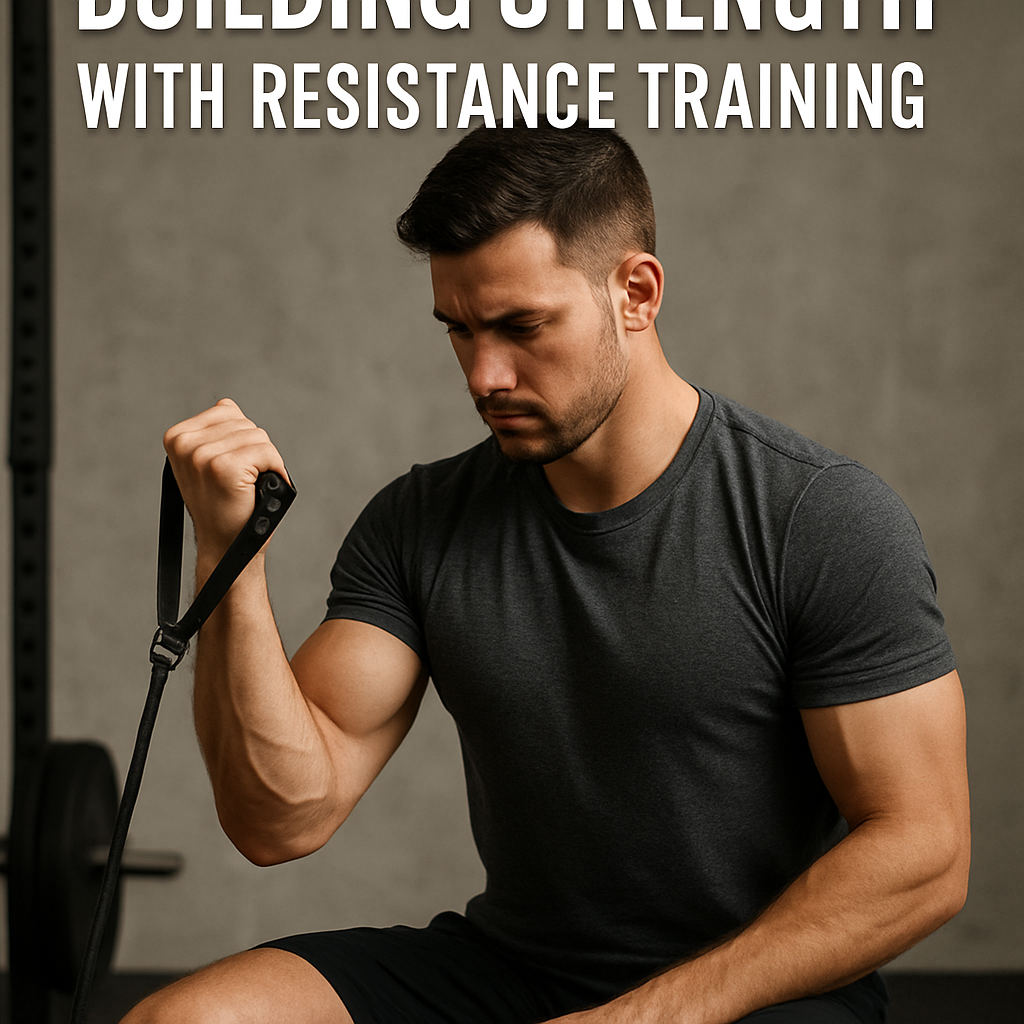
Building Strength with Resistance Training
Building Strength with Resistance Training
Resistance training, also known as strength training or weightlifting, is a powerful tool for anyone looking to enhance their physical strength, improve overall health, and achieve fitness goals. By utilizing external resistance, whether through weights, resistance bands, or body weight, individuals can effectively target and strengthen various muscle groups.
The benefits of resistance training extend far beyond simply building muscle. Regular engagement in strength training can lead to improved bone density, better joint function, and enhanced metabolic rate. Studies have shown that incorporating resistance exercises into a fitness routine can also help reduce the risk of chronic diseases, manage weight, and improve mental health.
Getting Started with Resistance Training
If you're new to resistance training, it's essential to start with a clear plan. Begin by determining your fitness goals: are you looking to build muscle, lose weight, or improve endurance? Once you have a goal in mind, you can design a training program that fits your needs.
A well-rounded resistance training program should include exercises for all major muscle groups: legs, back, chest, arms, and core. Incorporate both compound movements, like squats and deadlifts, which engage multiple muscle groups, and isolation exercises, such as bicep curls and tricep extensions, to target specific areas.
Proper Form and Technique
Maintaining proper form is crucial in resistance training to prevent injuries and ensure maximum effectiveness. Start with lighter weights to focus on technique before progressing to heavier loads. Consider working with a qualified trainer, especially if you're unsure about your form or how to perform specific exercises.
Additionally, remember to warm up before starting your workout and cool down afterward. Dynamic stretches before your workout can prepare your muscles for the strain, while static stretches after can aid in recovery.
Progression and Recovery
To continue building strength, it's essential to gradually increase the resistance or complexity of your workouts. This principle, known as progressive overload, encourages muscles to adapt and grow stronger over time. You can achieve this by increasing weight, changing the number of repetitions, or altering the tempo of your exercises.
Equally important is allowing your body adequate recovery time. Muscles need time to repair after being stressed during training. Aim for at least 48 hours of rest before targeting the same muscle group again. Incorporating rest days into your routine will help prevent burnout and reduce the risk of injury.
Conclusion
Building strength through resistance training is a rewarding journey that can lead to lasting physical and mental benefits. By setting clear goals, focusing on proper technique, and incorporating progressive overload and recovery into your routine, you can create a sustainable and effective strength training program. Remember, patience and consistency are key, and the results will come with time and dedication.